Stacey and Henry Winkler.Photo: Kevin Mazur/GettyForHenry Winkler, one major change in the last decade has made all the difference.In his new memoir,Being Henry: The Fonz…And Beyond(out Oct. 31), Winkler reveals his private struggles, fromundiagnosed dyslexia into adulthoodto an inability to form rich, authentic relationships.“My identity was [tied] to my work because I had no other identity,” Winkler tells PEOPLE in this week’s issue.It wasn’t until the last decade that he found a therapist, and through that process, a breakthrough.InBeing Henry, Winkler writes of a challenging childhood spent in New York with his German refugee parents, who did not understand his profound learning disability and would often mock his struggles with reading and comprehension.As a young actor, Winkler would go on to use humor as a guidepost, earning laughs at the Yale School of Drama and eventually impressing Hollywood executives with a walk-on appearance onThe Mary Tyler Moore Show. It would lead to his meteoric rise onHappy Days, but even at the height of his fame as the show’s effortlessly cool greaser, Winkler felt unmoored.Ron Howard, left, and Henry Winkler on “Happy Days”.ABC Photo Archives/Disney General Entertainment Content via Getty“People said, ‘So, how are you cool? Because you’re the coolest guy on television.” And I intellectually understood [that] being authentic is being cool. But I couldn’t live it. I had no identity,” Winkler says.He adds: “I was, if you look up the word disconnected, emotionally disconnected, in any of the big dictionaries, you will see a picture of me. It’s not necessarily the Fonz, but you’ll see a picture of me.“While at home between roles, Winkler writes of being adrift and insecure, and says when he was tested — including whenhis wife Staceywas diagnosed with cancer in the early 2000s, he felt he came up short supporting her. Winkler admits to dozing while attending her chemo treatments, and of opting to keep an acting job that sent him away while she recovered.“I was not there,” he tells PEOPLE of those years. “I was not whole.”Seven years ago, he began therapy, with “unbelievable” results. “That’s why I say if I were to give a gift to my therapist, I would have to give her something as big as a skyscraper. Because the book is about me being who I thought I should be and inching to being something I talked about but couldn’t live, which was being authentic,” he says.Henry Winkler and Bill Hader in “Barry”.His self-discovery would go on to noticeably enhance his work, including his Emmy-winning role on HBO’sBarryplaying Gene Cousineau oppositeBill Hader. A decade ago, Winkler says he could not have made the washed up, easily angered acting coach “as full as Gene is,” he says.Never miss a story — sign up forPEOPLE’s free daily newsletterto stay up-to-date on the best of what PEOPLE has to offer, from juicy celebrity news to compelling human interest stories.Today, he says, his cup runneth over (“I don’t have enough buckets for the overflow”) and at home with his wife over the last decade, Winkler adds, “I am a more present husband.”Henry Winkler at home in Los Angeles in September 2023.Michelle GroskopfInBeing Henry, Stacey’s voice is included, often popping up to give her shared perspective.The couple, who have been married for 45 years and share three children and six grandchildren, love to fish for trout together (though they always throw them back).“I cannot admit this, but it is true. Stacey is becoming a better fisher person than I am,” Winkler grins. “Her fish are always bigger than mine.”For more on Henry Winkler, pick up the latest issue of PEOPLE, on newsstands Friday, or subscribehere.Being Henry: The Fonz…and Beyondhits bookshelves on Oct. 31.
Stacey and Henry Winkler.Photo: Kevin Mazur/Getty

ForHenry Winkler, one major change in the last decade has made all the difference.In his new memoir,Being Henry: The Fonz…And Beyond(out Oct. 31), Winkler reveals his private struggles, fromundiagnosed dyslexia into adulthoodto an inability to form rich, authentic relationships.“My identity was [tied] to my work because I had no other identity,” Winkler tells PEOPLE in this week’s issue.It wasn’t until the last decade that he found a therapist, and through that process, a breakthrough.InBeing Henry, Winkler writes of a challenging childhood spent in New York with his German refugee parents, who did not understand his profound learning disability and would often mock his struggles with reading and comprehension.As a young actor, Winkler would go on to use humor as a guidepost, earning laughs at the Yale School of Drama and eventually impressing Hollywood executives with a walk-on appearance onThe Mary Tyler Moore Show. It would lead to his meteoric rise onHappy Days, but even at the height of his fame as the show’s effortlessly cool greaser, Winkler felt unmoored.Ron Howard, left, and Henry Winkler on “Happy Days”.ABC Photo Archives/Disney General Entertainment Content via Getty“People said, ‘So, how are you cool? Because you’re the coolest guy on television.” And I intellectually understood [that] being authentic is being cool. But I couldn’t live it. I had no identity,” Winkler says.He adds: “I was, if you look up the word disconnected, emotionally disconnected, in any of the big dictionaries, you will see a picture of me. It’s not necessarily the Fonz, but you’ll see a picture of me.“While at home between roles, Winkler writes of being adrift and insecure, and says when he was tested — including whenhis wife Staceywas diagnosed with cancer in the early 2000s, he felt he came up short supporting her. Winkler admits to dozing while attending her chemo treatments, and of opting to keep an acting job that sent him away while she recovered.“I was not there,” he tells PEOPLE of those years. “I was not whole.”Seven years ago, he began therapy, with “unbelievable” results. “That’s why I say if I were to give a gift to my therapist, I would have to give her something as big as a skyscraper. Because the book is about me being who I thought I should be and inching to being something I talked about but couldn’t live, which was being authentic,” he says.Henry Winkler and Bill Hader in “Barry”.His self-discovery would go on to noticeably enhance his work, including his Emmy-winning role on HBO’sBarryplaying Gene Cousineau oppositeBill Hader. A decade ago, Winkler says he could not have made the washed up, easily angered acting coach “as full as Gene is,” he says.Never miss a story — sign up forPEOPLE’s free daily newsletterto stay up-to-date on the best of what PEOPLE has to offer, from juicy celebrity news to compelling human interest stories.Today, he says, his cup runneth over (“I don’t have enough buckets for the overflow”) and at home with his wife over the last decade, Winkler adds, “I am a more present husband.”Henry Winkler at home in Los Angeles in September 2023.Michelle GroskopfInBeing Henry, Stacey’s voice is included, often popping up to give her shared perspective.The couple, who have been married for 45 years and share three children and six grandchildren, love to fish for trout together (though they always throw them back).“I cannot admit this, but it is true. Stacey is becoming a better fisher person than I am,” Winkler grins. “Her fish are always bigger than mine.”For more on Henry Winkler, pick up the latest issue of PEOPLE, on newsstands Friday, or subscribehere.Being Henry: The Fonz…and Beyondhits bookshelves on Oct. 31.
ForHenry Winkler, one major change in the last decade has made all the difference.
In his new memoir,Being Henry: The Fonz…And Beyond(out Oct. 31), Winkler reveals his private struggles, fromundiagnosed dyslexia into adulthoodto an inability to form rich, authentic relationships.
“My identity was [tied] to my work because I had no other identity,” Winkler tells PEOPLE in this week’s issue.
It wasn’t until the last decade that he found a therapist, and through that process, a breakthrough.
InBeing Henry, Winkler writes of a challenging childhood spent in New York with his German refugee parents, who did not understand his profound learning disability and would often mock his struggles with reading and comprehension.
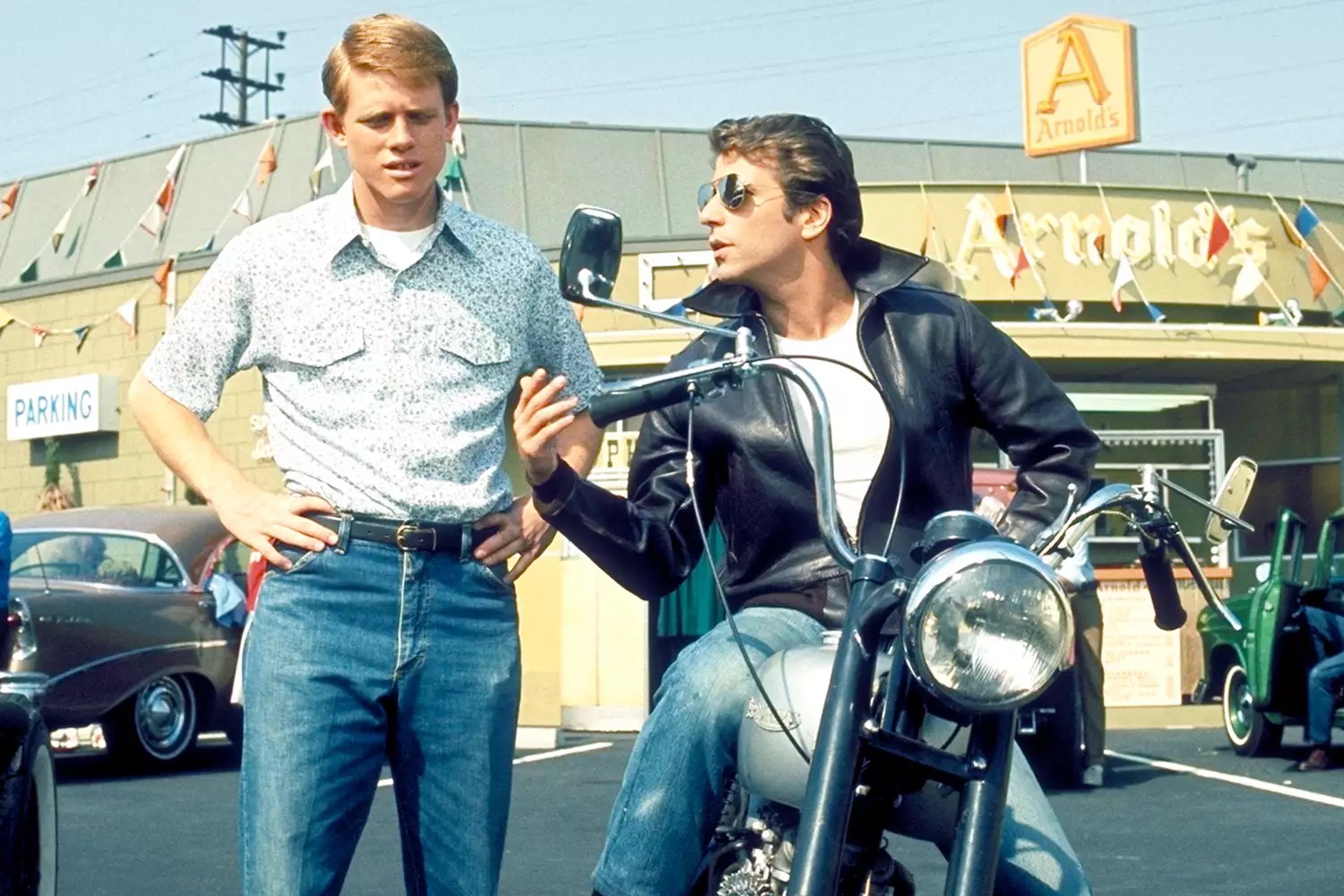
As a young actor, Winkler would go on to use humor as a guidepost, earning laughs at the Yale School of Drama and eventually impressing Hollywood executives with a walk-on appearance onThe Mary Tyler Moore Show. It would lead to his meteoric rise onHappy Days, but even at the height of his fame as the show’s effortlessly cool greaser, Winkler felt unmoored.
Ron Howard, left, and Henry Winkler on “Happy Days”.ABC Photo Archives/Disney General Entertainment Content via Getty
ABC Photo Archives/Disney General Entertainment Content via Getty
“People said, ‘So, how are you cool? Because you’re the coolest guy on television.” And I intellectually understood [that] being authentic is being cool. But I couldn’t live it. I had no identity,” Winkler says.
He adds: “I was, if you look up the word disconnected, emotionally disconnected, in any of the big dictionaries, you will see a picture of me. It’s not necessarily the Fonz, but you’ll see a picture of me.”
While at home between roles, Winkler writes of being adrift and insecure, and says when he was tested — including whenhis wife Staceywas diagnosed with cancer in the early 2000s, he felt he came up short supporting her. Winkler admits to dozing while attending her chemo treatments, and of opting to keep an acting job that sent him away while she recovered.
“I was not there,” he tells PEOPLE of those years. “I was not whole.”
Seven years ago, he began therapy, with “unbelievable” results. “That’s why I say if I were to give a gift to my therapist, I would have to give her something as big as a skyscraper. Because the book is about me being who I thought I should be and inching to being something I talked about but couldn’t live, which was being authentic,” he says.
Henry Winkler and Bill Hader in “Barry”.

His self-discovery would go on to noticeably enhance his work, including his Emmy-winning role on HBO’sBarryplaying Gene Cousineau oppositeBill Hader. A decade ago, Winkler says he could not have made the washed up, easily angered acting coach “as full as Gene is,” he says.
Never miss a story — sign up forPEOPLE’s free daily newsletterto stay up-to-date on the best of what PEOPLE has to offer, from juicy celebrity news to compelling human interest stories.
Today, he says, his cup runneth over (“I don’t have enough buckets for the overflow”) and at home with his wife over the last decade, Winkler adds, “I am a more present husband.”
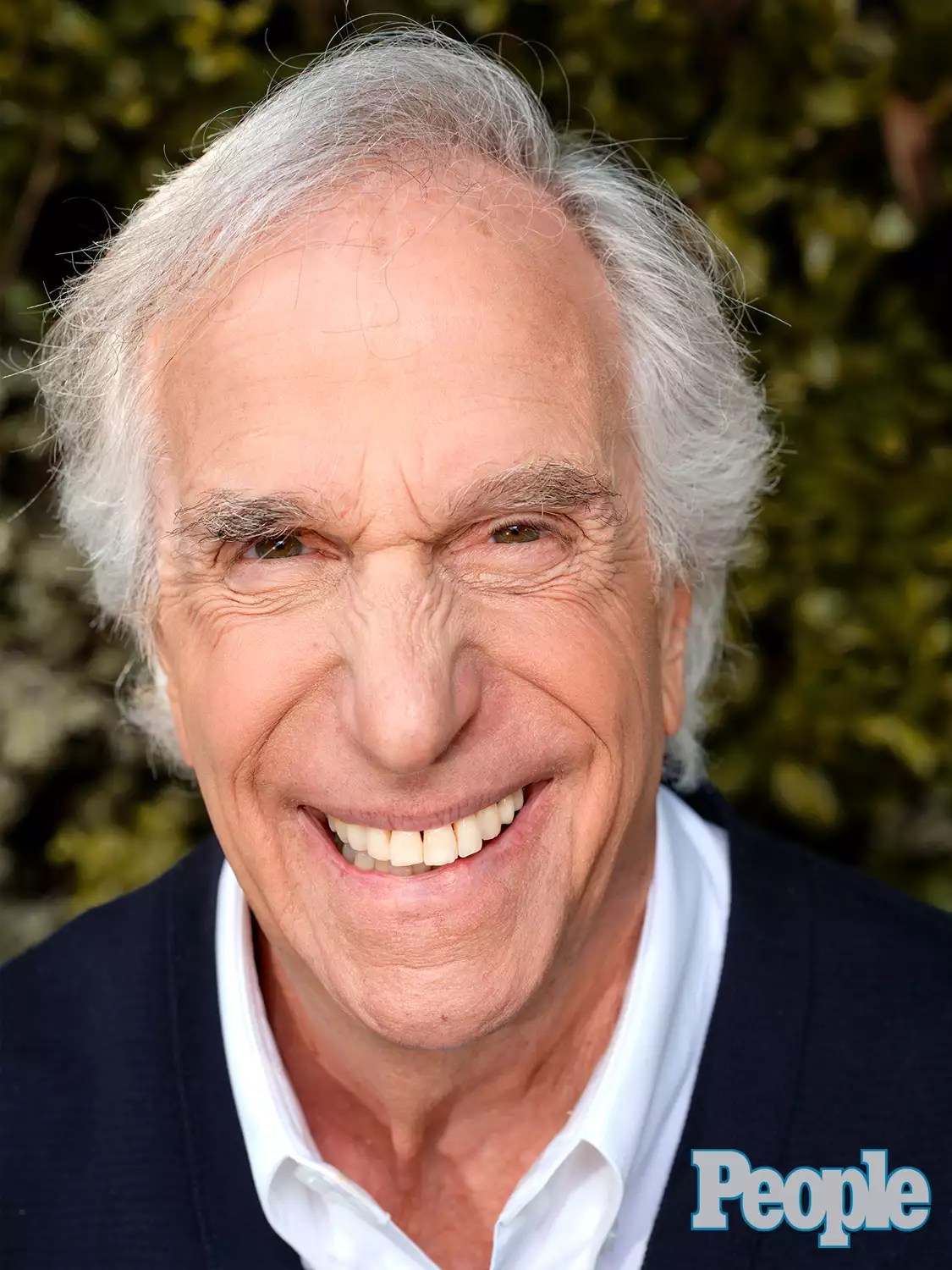
Henry Winkler at home in Los Angeles in September 2023.Michelle Groskopf
Michelle Groskopf
InBeing Henry, Stacey’s voice is included, often popping up to give her shared perspective.
The couple, who have been married for 45 years and share three children and six grandchildren, love to fish for trout together (though they always throw them back).
“I cannot admit this, but it is true. Stacey is becoming a better fisher person than I am,” Winkler grins. “Her fish are always bigger than mine.”
For more on Henry Winkler, pick up the latest issue of PEOPLE, on newsstands Friday, or subscribehere.
Being Henry: The Fonz…and Beyondhits bookshelves on Oct. 31.
source: people.com
